Ameryst began in 2000 as a system a hospice built for itself, and became a product in 2014 when other hospices asked to use it. The company behind it is still owned by a hospice — which is why the language, the workflows and the parts other systems leave out are already in it rather than configured around it.
Three things hospices do that most care software was never shaped around.
A hospice patient, and the family members supported alongside them.
The whole family. Everyone an individual.
Book residential stays, home visits, day services and group events
Efficient bookings. Evidenced care.
One stay can be split across a personal budget, a local authority agreement and charitable funds.
Each invoiced correctly, at month end.
No double entry, and no reliance on one manager's knowledge.
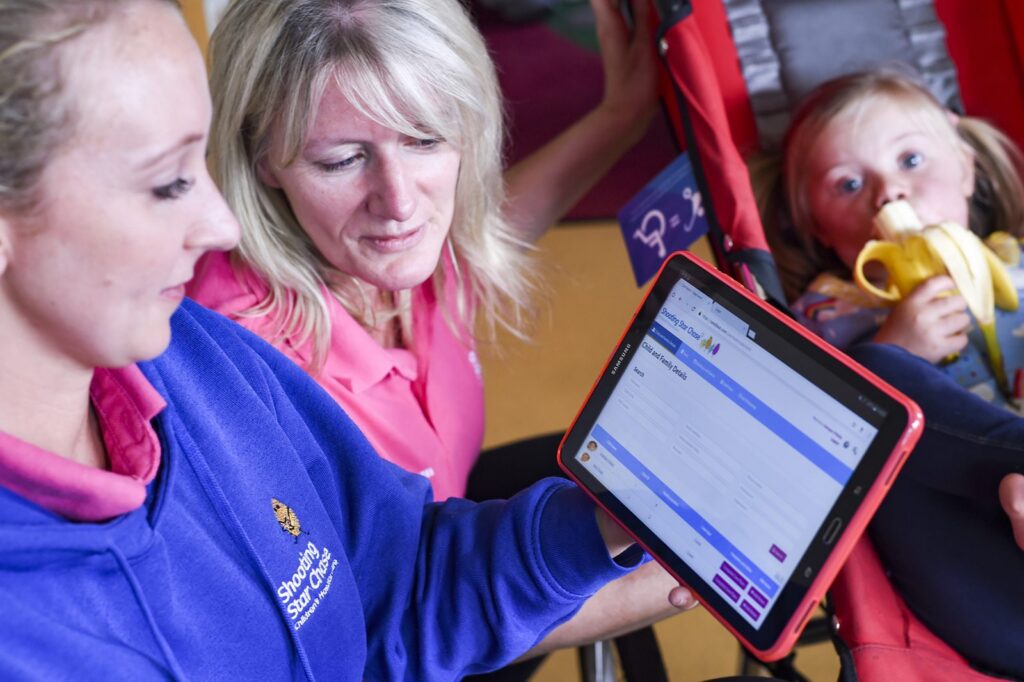
Features are one thing. Knowing why they are needed is another.
Bereavement, phase of illness, resuscitation status, actions shortly before and after a death — these exist because hospices need them. Several customers have renamed them for gentler wording, and the naming conventions make that a two-minute job internally rather than a change request to us.
Your questions and details, driving dependency
The running account of daily activity of care
Wounds, pressure areas, safeguarding. Make them your own
Build your own charts - as many as you need
Enquiry through to panel decision and throughout their service
Phase of illness, scored assessments and more
Patients, siblings and parents. Each an individual but joined as a family
Live in multiple regions. If you can connect, so can we
Beds, day care, community and therapy and group events
Not just enough people. The right ones
One stay, three funders, invoiced right
Not just bednights but all the care you deliver. Evidence for commissioners
Competency-gated sign-off with a visible queue, a full audit trail that records who opened a record and not only who changed it, and versioned care plans with the review log attached. When an inspector asks how you know care was delivered properly, the answer is a report rather than a filing cabinet.
customer retention
Families read and sign care plans at home before admission instead of working through a stack of them on arrival. This reduces stress on the family and staff and makes their welcome to the hospice a more comfortable process
Split a stay across a personal budget, a local authority agreement and charitable funds, and invoice each correctly. The bookings list also evidences to a grant funder how many visits you had to decline for lack of staff.
When the care a person needs lives in the care plan rather than with the one nurse who knows them, an absence stops being a risk and a new starter stops being a slow start.
From a medical professional, a social worker, or a family who found you
With the reason recorded, and the history kept
Plans, notes, body maps, charts and visits
Family support, bereavement support, and the record stays whole
During our recent inspection, Healthcare Improvement Scotland had really positive feedback – they loved the layout and how user-friendly the software is. It’s reassuring to know it stands up when the regulators are looking.
Alana StruthersHead of Governance, Ayrshire Hospice
Half an hour or an hour, whichever suits. We’ll spend it on the parts that matter to your service.
We use essential cookies to make this site work. With your permission we would also like to use analytics cookies, so we can see how the site is used and improve it. You can change your choice at any time.