
Booking diaries

A diary for each of your services

Residential stays, daycare stays, community visits, and home visits are different types of bookings, each with specific requirements. Some bookings require a bedroom, while others require one or more staff members to be assigned to the visit.

Each booking type displays on a diary that gives you the key information.

How it works

Diaries that know what you have available

Beds, patient bedrooms and family bedrooms, staffing are counted separately

1Different bed types, and types matter

A two-bar bed or a high-sided cot - the right bed for safe care.

Your list, your codes, your colours on the diary.

2A stay that needs a bed and a bedroom

Hold a bedroom and bed for the whole of the stay.

If either is unavailable, you find out at the booking stage and not when they arrive.

3You decide when to stretch

The maximum numbers are yours to set.

If you can staff an emergency admission over your usual numbers, the diary allows it.

The wrong bed type or lack of a room will send a family home. That's a conversation you don't want to have.
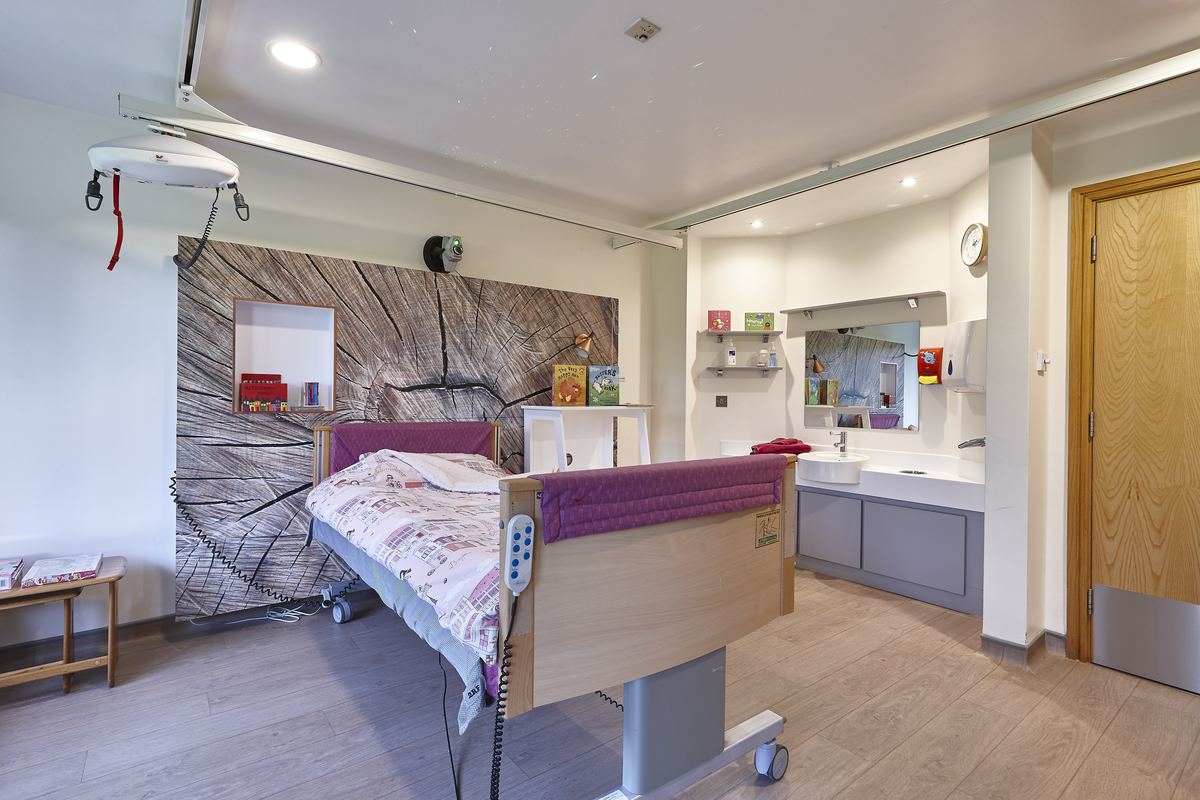
A care bedroom with a profiling bed, ceiling hoist and ensuite, ready for the next stay
Funding at the point of booking

Know who is paying, with the balance available, before you commit.

When you make a booking, see what eligible funding pots are available and how much is left in each.  Add one or more to the booking to cover the cost – or leave as a charitable booking

  • One stay can be split across three funders. Part personal budget, part local authority, part hospice-funded — and month-end invoicing bills each of them for the nights they covered.
  • Each night carries its own detail. Bedroom, bed, priority and reason for visit are set per night, so a three-week short break stay can become bonus nights partway through and report correctly.
In the module

What our bed booking software covers

Weekly or daily diaries

The relevant details for the type of visit

Bed & room registers

Real assets with types you define

Drag to move rooms

Validated against the new room for the whole stay

Reason for visit

Sets the colour, the code and the allocation deducted

Reserve lists

So a vacancy caused by cancellation is filled, not lost

Correspondence

Letter, email or SMS, to the right people

Check in and out

Itemised list of personal possessions, with photographs

Family rooms

Booked with layouts for housekeeping and the number of family members

Why it matters

What a diary that knows your assets is worth

Cost & financial control

Empty beds and unused staff capacity represent lost income and wasted resources, while also reducing the level of service provided to patients.

Both are avoidable. Occupancy and visits are what you are funded on, so a cancellation that nobody fills costs real money. Reserve and requested numbers sit at the foot of every day and click straight through to the list, so the moment someone cancels the team can see who is waiting rather than starting a ring-round from scratch.

Family & patient experience

No family sent home at the door

Bed-type matching is a hard stop rather than a warning, because arriving to find the right bed is not free is the thing families remember.

Income & funding

One stay, several funders

A booking can draw on a personal budget, a local authority agreement and charity-funded nights at once, and each is invoiced for what it covered.

Capacity, equity & mission

Catering and housekeeping serve themselves

Both reports run straight off bookings, with allergies and dietary needs already attached, so care staff stop writing out lists for the kitchen.

Making a booking

Four checks before anyone confirms a date.

01

Dates and reason

Which sets the colour and the deduction

02

Assets checked

A bed and a bedroom, for every night

03

Allocations listed

Every valid pot, with its balance

04

Confirmed and communicated

Letter, email or SMS to the right people

One booking then lands in the patient diary, the family member’s diary, the staff member’s internal diary and their Outlook calendar.

Questions services ask about bookings

What happens if the right bed is not free?
The booking is stopped before it is made, and the diary says which register is short. Beds and bedrooms are counted separately, so it tells you whether it is the bed type or the room. That is deliberate: a family who arrives and has to be sent home again remembers it, and so does everyone they tell.
Can we go over our daily numbers?
Yes. The daily limit is one you set yourself, usually driven by staffing rather than rooms, and you can override it for date ranges you already know will be busy. Going over shows on the diary rather than being prevented, because if you can staff an emergency admission you should be free to take it.
Can one stay be paid for by more than one funder?
Yes. Creating a booking lists every allocation valid for those dates with what is left in each, and the stay can draw on several at once. A three-week stay might run part personal budget, part local authority agreement and part charity-funded, and month-end invoicing bills each one for the nights it actually covered.
Can we move a booking to a different room?
Yes, by dragging it across the weekly diary. The move is checked against the new room for every night of the stay, so a stay cannot land somewhere that is only free for part of it. Dates are handled separately, by reopening the booking for editing, because so much else hangs off them.
Does it handle day care, community and therapy?
Yes. Day care is a shorter form of a residential booking and can take a bed and bedroom or neither. Community and therapy run on a team calendar showing rostered shifts, annual leave and patient bookings side by side, at fifteen, thirty or sixty minute intervals, opening on your own team and site by default.
What about events for several families?
Remembrance days, sibling days and grandparent days are set up once as an event rather than as dozens of separate bookings. Invitation lists are filtered by age, status or the family's own stated preferences, so the people who have asked not to hear about something stop being invited to it, and capacity is held as people accept.

See it working with your own service in mind.

Half an hour or an hour, whichever suits. We’ll spend it on the parts that matter to your service.